
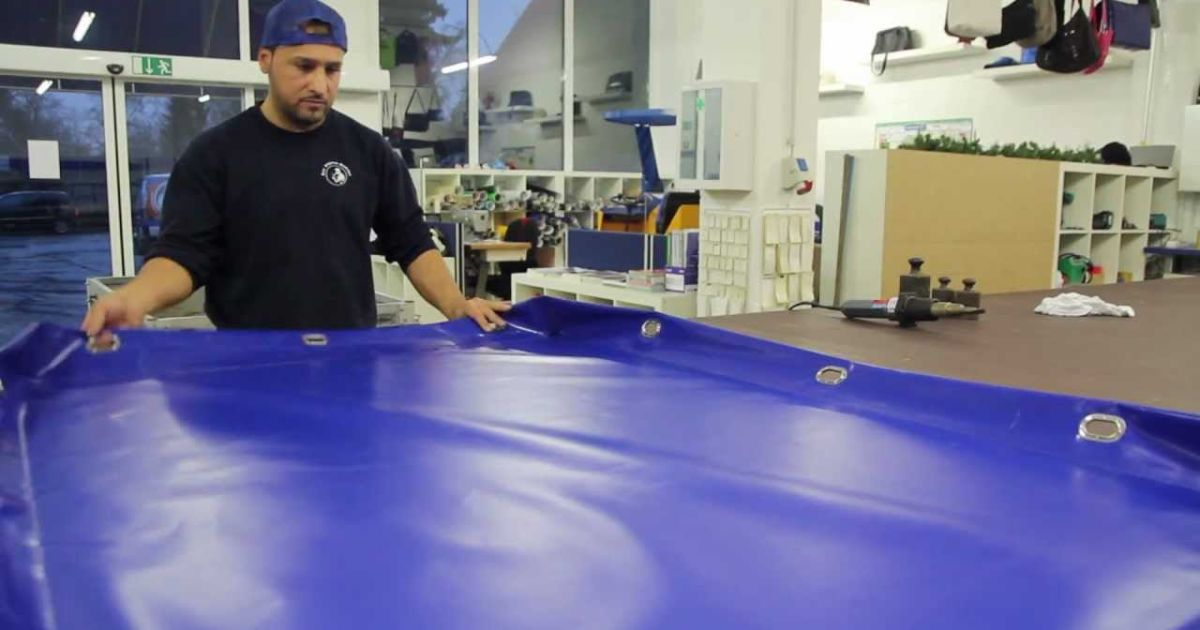
Tarpaulins are one of the most useful protective materials for outdoor environments. They are widely used for covering equipment, protecting vehicles, shielding crops, and creating temporary shelters. In regions with extreme weather conditions, choosing the right tarpaulin becomes even more important.
In places like Dubai and across the United Arab Emirates, tarpaulins must withstand strong sunlight, heat, dust, and occasional rain. Not all tarps are designed for such harsh conditions. That is why buyers should carefully check several factors before purchasing one.
This guide explains the 10 most important things to check before buying tarpaulins in Dubai for residential, agricultural, or commercial use.
1. Material Quality
The first thing to check when buying a tarpaulin is the material used to make it.
Different materials provide different levels of durability and weather protection.
Common tarpaulin materials include:
- Polyethylene (PE) – lightweight, waterproof, and affordable
- PVC (polyvinyl chloride) – thicker and highly durable
- Canvas – breathable but not fully waterproof
For the hot climate in the United Arab Emirates, polyethylene and PVC tarps are usually the most suitable because they resist moisture and sunlight.
2. UV Resistance
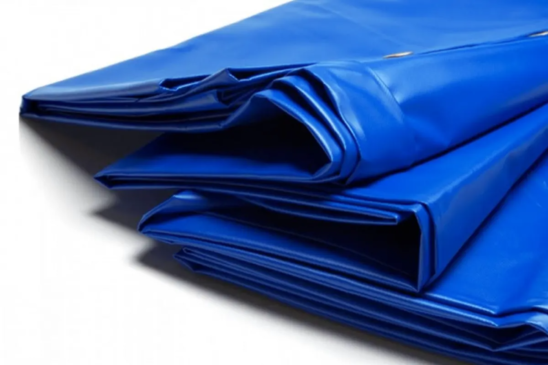
Strong sunlight is one of the biggest challenges in desert climates. Tarpaulins that lack UV protection can quickly become brittle and crack. When shopping in Dubai, look for tarpaulins labeled UV-resistant or UV-stabilized.
These tarps contain special additives that protect the fabric from sun damage and extend its lifespan.
3. Thickness and GSM Rating
Tarpaulin thickness is often measured in GSM (grams per square meter).
A higher GSM usually means stronger and thicker material.
Typical ranges include:
GSM Range Usage
80–120 GSM Light-duty household use
150–250 GSM Medium-duty covering
300+ GSM Heavy-duty industrial use
If you need tarpaulins for farms, warehouses, or construction sites in the United Arab Emirates, heavier GSM tarps are usually a better investment.
4. Waterproof Capability
Tarpaulins are often used to protect items from rain and moisture. However, not all tarps are fully waterproof. Some materials are only water-resistant.
If you plan to cover equipment, goods, or outdoor areas in Dubai, make sure the tarp is 100% waterproof with sealed seams. This will prevent water from leaking through the fabric.
5. Reinforced Edges and Eyelets
A tarpaulin must be secured properly to stay in place during wind or sandstorms. Good tarpaulins usually include:
- Reinforced edges
- Rust-resistant metal eyelets
- Strong corner patches
These features help prevent tearing when the tarp is tied down. This is especially important for outdoor use in the windy desert environment of the United Arab Emirates.
6. Tear Resistance
Tarpaulins used for farms, construction sites, or transportation must handle heavy loads and rough handling.
Look for tarps that have:
- Strong woven fabric structure
- Rip-stop technology
- Multi-layer construction
Tear-resistant tarps last longer and provide better protection for valuable items.
7. Heat Resistance
High temperatures are common in cities like Dubai, where summer heat can exceed 45°C (113°F). Low-quality tarps may warp, melt, or weaken under extreme heat. Heat-resistant tarpaulins are designed to maintain their structure and flexibility even in hot environments.
8. Size and Coverage Area
Choosing the right tarp size is essential for proper coverage. Before purchasing a tarpaulin, measure the area you want to cover.
Common tarp uses include:
- Car or boat covers
- Construction material protection
- Agricultural crop covers
- Outdoor furniture protection
Buying a tarp that is too small can leave gaps, while oversized tarps may be difficult to secure. Suppliers in Dubai usually offer many sizes to suit different needs.
9. Weight and Portability
Some tarpaulins are heavy and designed for permanent installations, while others are lightweight and portable.
Lightweight tarps are useful for:
- Camping
- Temporary shelters
- Quick coverings
Heavier tarps are better for:
- Industrial use
- Long-term outdoor storage
- Construction sites
Choosing the right weight depends on how often you plan to move or install the tarp.
10. Supplier Reputation
Finally, always check the reliability of the supplier.
A trusted tarpaulin supplier in Dubai should provide:
- High-quality materials
- Clear product specifications
- Warranty or quality guarantees
- Good customer support
Reading reviews or asking for product samples can help ensure you are buying durable tarps that will perform well in the UAE climate.
Common Uses of Tarpaulins in the UAE
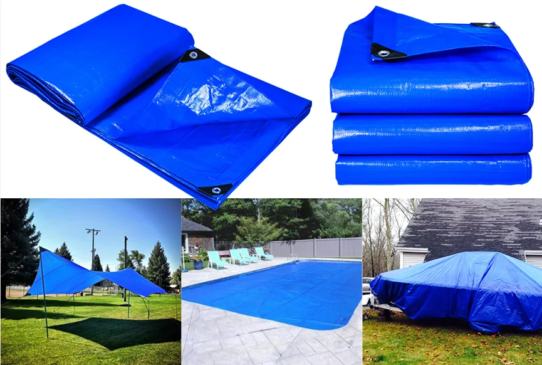
Tarpaulins are used across many industries and applications in the United Arab Emirates.
Some common uses include:
Home Use
- Protecting outdoor furniture
- Covering swimming pools
- Creating temporary shade
Agricultural Use
- Crop protection
- Hay and feed storage
- Greenhouse covers
Business and Industrial Use
- Construction site covering
- Warehouse storage protection
- Truck and cargo covers
Because of their versatility, tarps are an essential product for both residential and commercial environments.
Benefits of High-Quality Tarpaulins
Investing in good tarpaulins offers several advantages.
Long-Term Durability
Quality tarps can last for years even in harsh weather conditions.
Protection From Weather
They shield equipment and goods from sun, rain, and dust.
Cost Savings
Strong tarpaulins reduce the need for frequent replacements.
Flexible Use
Tarps can be used for many different purposes.
These benefits make them a valuable investment for homes and businesses in the United Arab Emirates.
Final Thoughts
Buying the right tarpaulin requires careful consideration of several factors. In hot and demanding climates like Dubai, durability, UV resistance, and waterproof performance are especially important.
By checking material quality, thickness, reinforcement, and supplier reliability, buyers can choose tarpaulins that provide strong protection and long service life.
Whether you need tarps for your home, farm, or business in the United Arab Emirates, selecting the right product will ensure your equipment and property stay protected from the region’s challenging weather conditions.
FAQs
What is the best tarpaulin material for hot climates?
Polyethylene and PVC tarpaulins are among the best options because they resist UV rays, heat, and moisture.
How long do tarpaulins last in the UAE?
High-quality UV-resistant tarpaulins can last 3 to 10 years, depending on material quality and exposure to weather.
Are all tarpaulins waterproof?
No. Some tarps are water-resistant, while others are fully waterproof. PVC tarps usually provide the strongest waterproof protection.
What GSM is best for heavy-duty tarpaulins?
Tarpaulins with 300 GSM or higher are typically suitable for heavy-duty industrial and commercial use.
Can tarpaulins handle strong sunlight?
Yes, if they are UV-stabilized. UV-resistant tarps are designed to withstand prolonged sun exposure.
Where are tarpaulins commonly used?
Tarpaulins are used for construction, agriculture, transportation, camping, and home protection.